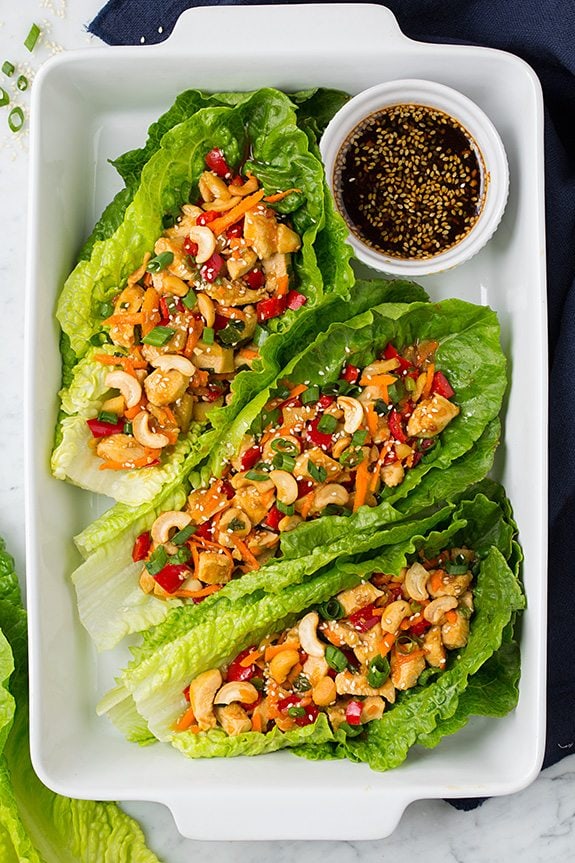
Your Quest for Copycat P.F. Chang's Teriyaki Chicken Lettuce Wraps Ends Here!
Few restaurant dishes capture the imagination quite like the famed lettuce wraps from P.F. Chang's. They’re a symphony of fresh, savory, and satisfying flavors, making them a consistently popular choice. But what if we told you that the secret to enjoying these irresistible teriyaki chicken lettuce wraps lies not in a takeout menu, but in your own kitchen? That's right – you can easily recreate this healthy, delicious, and fun dish at home, often in under 30 minutes, with just a handful of fresh ingredients and ground chicken.
There's a unique satisfaction in replicating a beloved takeout meal. Perhaps your budget is feeling the pinch, or maybe, like many of us, your favorite spot isn't conveniently close. The journey of transforming restaurant favorites into homemade triumphs is incredibly rewarding. We've tackled iconic dishes like copycat IKEA Swedish meatballs and comforting Panera Bread broccoli cheddar soup, but for some, the idea of mastering teriyaki chicken lettuce wraps at home might seem daunting. Prepare to be pleasantly surprised: this recipe is far easier than you might imagine, and the results are so good, you'll be reaching for seconds!
Why Homemade Teriyaki Chicken Lettuce Wraps are a Game-Changer
Beyond the simple joy of cooking, there are compelling reasons to bring the magic of teriyaki chicken lettuce wraps into your culinary repertoire. It's not just about saving a few dollars; it's about control, freshness, and the sheer delight of a personalized meal.
- Budget-Friendly & Accessible: Regularly ordering takeout can quickly add up. Crafting these wraps at home significantly cuts costs. Plus, when that specific craving hits, you won't be limited by restaurant hours or geographical distance.
- Control Over Ingredients: Making your own means you dictate what goes in. You can opt for organic chicken, fresh local vegetables, and adjust sodium or sugar levels in your teriyaki sauce to suit your dietary preferences or health goals. This often results in a healthier, fresher meal overall.
- Customization is King: From the type of protein to the array of toppings, homemade wraps are fully customizable. This caters to diverse tastes and dietary needs within your household, making mealtime easier and more enjoyable for everyone.
- Surprisingly Simple & Quick: Don't let the restaurant-quality taste fool you; these wraps are incredibly straightforward to prepare. Many versions come together in under half an hour, making them a perfect solution for busy weeknights when you still crave something exciting and wholesome.
- The Joy of Creation: There's an undeniable sense of accomplishment in serving up a dish that rivals your favorite restaurant's offering. It's a fun, interactive meal that encourages everyone to get involved in assembling their perfect wrap.
Crafting the Perfect Lettuce "Pouch": A Deep Dive into Greens
The foundation of any great lettuce wrap is, naturally, the lettuce itself. Choosing the right kind and preparing it properly is crucial for that satisfying crunch and structural integrity. The debate often centers around iceberg versus Bibb lettuce, and each has its merits.
Choosing Your Lettuce: Iceberg vs. Bibb and Beyond
- Iceberg Lettuce: This is often the more affordable and readily available option. Its firm, crisp texture provides excellent sturdiness, making it easier to hold the filling without tearing. It has a milder flavor, allowing the teriyaki chicken to shine.
- Bibb Lettuce (Butter Lettuce): Known for its tender, soft leaves, Bibb lettuce offers a more delicate texture and a slightly sweeter, buttery flavor. It's often considered more elegant and can be easier to eat for some, though it might be less sturdy than iceberg. It also tends to boast more nutrients.
- Other Varieties: Don't feel limited to just these two! Green or red leaf lettuce can also work beautifully. Look for leaves that are large enough to comfortably hold a portion of the meat and wrap around it, forming a convenient "pouch" for eating.
Pro Tip for Choosing Fresh Lettuce: Always look for heads that are firm, crisp, and vibrant in color. Avoid any with wilting, browning edges, or sliminess, which indicates spoilage. Store your lettuce unwashed in a loose plastic bag in the crisper drawer of your refrigerator to maintain freshness for as long as possible.
Preparing Your Lettuce: Wash, Dry, and Tear
Once you've selected your ideal head of lettuce, proper preparation is key. I personally prefer to tear the leaves rather than cut them when using them as whole wrappers. This often creates a more organic, rustic look and prevents bruising that can sometimes occur with a knife.
- Remove the Root: Begin by carefully removing the root end of the head of lettuce. This allows the individual leaves to separate easily.
- Tear Apart: Gently tear the lettuce apart into individual leaves, aiming for pieces large enough to act as a wrap.
- Rinse Thoroughly: Place the separated leaves into a large bowl or a clean sink filled with cool water. Swirl them around vigorously to dislodge any debris or dirt. You can add a splash of vegetable rinse if you prefer. Rinse them well, ensuring no grit remains.
- Dry Completely: This step is critical! Excess water can make your wraps soggy and dilute the delicious teriyaki flavor. Lay the rinsed leaves on paper towels to air dry, or for a faster and more efficient method, run them through a salad spinner. Perfectly dry lettuce maintains its crispness and provides the best texture for your teriyaki chicken lettuce wraps.
Beyond Ground Chicken: Protein Versatility for Your Wraps
While ground chicken is a fantastic and traditional choice for these teriyaki chicken lettuce wraps, the beauty of a homemade recipe lies in its adaptability. You're not limited to just one protein; feel free to experiment to suit your taste, dietary needs, or whatever you have on hand.
- The Classic: Ground Chicken. This lean protein cooks quickly and absorbs the teriyaki sauce beautifully, making it an excellent base. Its mild flavor allows the sauce and other ingredients to truly shine.
- Other Ground Meats:
- Ground Turkey: A lean and healthy alternative to chicken, ground turkey works exceptionally well, offering a similar texture and mild flavor profile.
- Ground Beef: For a richer flavor, ground beef is a delicious option. Opt for leaner ground beef to prevent the wraps from becoming too greasy.
- Ground Pork: This can add a wonderful depth of flavor and richness to your wraps.
- Plant-Based Power: Don't overlook vegan meat crumbles! These are an excellent option for a meatless version and truly shine when coated in a savory teriyaki sauce. They absorb flavor well and provide a satisfying texture, ensuring everyone can enjoy these delightful wraps. For even more plant-based inspiration and ways to adapt these wraps to various diets, check out our guide on Beyond Chicken: Versatile Teriyaki Lettuce Wraps for Any Diet.
- Whole Muscle Meats: If you prefer to skip ground meat, thin slices of other proteins work perfectly.
- Chicken Breasts or Thighs: Slice them thinly or even shave them before cooking to ensure they're bite-sized and easy to eat in a wrap. Marinating them briefly in some teriyaki sauce before cooking will enhance their flavor.
- Thinly Sliced Beef: Similar to chicken, thinly shaved or sliced beef can be a fantastic, flavorful alternative. Ensure the pieces are small enough to fit comfortably within the lettuce leaves.
Chef's Insight: When using non-ground meats, consider marinating them for 15-20 minutes in a little of your teriyaki sauce before cooking. This helps infuse flavor and keeps the meat tender. For chicken breasts, slicing them against the grain can also help ensure maximum tenderness.
Mastering the Sauce: The Heart of Your Teriyaki Wraps
The true magic of any teriyaki dish, especially these teriyaki chicken lettuce wraps, lies in its signature sauce. This savory, sweet, and tangy glaze is what ties all the ingredients together, creating that irresistible umami flavor profile. While store-bought teriyaki sauce offers convenience, making your own allows for unparalleled control over flavor and ingredients.
Key Components of a Delicious Teriyaki Sauce:
- Soy Sauce: The backbone of any teriyaki, providing rich, savory depth. Use low-sodium if you're watching your salt intake.
- Mirin: This sweet Japanese rice wine adds a unique sweetness and a glossy sheen. It's often found in the Asian aisle of most supermarkets.
- Sake or Rice Wine Vinegar: Sake, another Japanese rice wine, offers a complex, slightly fruity flavor. If sake isn't available, rice wine vinegar provides a similar tang and brightness.
- Brown Sugar or Honey: For sweetness and caramelization. Adjust to your preference.
- Aromatics: Fresh ginger and garlic, finely minced, are essential for that aromatic, zesty punch. Don't skip these!
- Cornstarch Slurry: A small amount mixed with cold water is typically used to thicken the sauce to that perfect glossy consistency, ensuring it coats the chicken beautifully.
Tips for the Perfect Teriyaki:
- Balance is Key: Taste your sauce as you go. Adjust the balance of sweet, salty, and tangy to your liking. A squeeze of lime juice at the end can brighten up the flavors.
- Don't Over-thicken: Add the cornstarch slurry gradually, stirring constantly, until you reach your desired consistency. Remember it will thicken slightly more as it cools.
- Add a Kick: For those who love a bit of heat, a dash of sriracha or a pinch of red pepper flakes can be stirred into the sauce.
Elevating Your Wraps: The Art of Toppings
While your teriyaki chicken and crisp lettuce form a delicious base, toppings are where you can truly personalize your teriyaki chicken lettuce wraps and add extra layers of texture and flavor. Think of it like building the perfect taco – a little something extra takes it from great to extraordinary!
You certainly don't have to add additional toppings, but they are a fantastic idea for introducing varied textures, pops of color, and complementary flavors. Here are some classic and creative suggestions:
- Chopped Scallions/Green Onions: A quintessential topping for Asian-inspired dishes, offering a fresh, mild oniony bite.
- Toasted Sesame Seeds: Adds a subtle nutty flavor and a pleasing crunch.
- Fresh Sprouts: Alfalfa or bean sprouts provide an earthy freshness and a delicate crunch.
- Shredded Carrot: Brings a touch of sweetness, vibrant color, and a crisp texture.
- Crispy Fried Wonton Strips: For an irresistible, savory crunch that mimics the restaurant experience.
- Water Chestnuts (finely diced): These add an amazing, subtle crunch without much flavor alteration.
- Fresh Cilantro: For a burst of herbaceous freshness (if you're a fan!).
- Crushed Peanuts or Cashews: A fantastic addition for extra crunch and a nutty depth of flavor.
- A Drizzle of Sriracha or Chili Garlic Sauce: For those who enjoy a little heat.
- Pickled Ginger: A tangy, zesty contrast that cleanses the palate.
Setting out a platter of these toppings allows everyone to customize their wraps, making mealtime an interactive and enjoyable experience.
Storage and Meal Prep Tips for Lasting Freshness
One of the best things about making teriyaki chicken lettuce wraps at home is the potential for meal prepping and enjoying them over a few days. However, proper storage is key to maintaining freshness, especially for the delicate lettuce.
- Assembled Wraps: If you assemble your wraps ahead of time, they are best enjoyed within a maximum of two days. The lettuce, especially softer varieties, will begin to wilt and lose its crispness once it comes into contact with the moisture of the filling.
- Cooked Teriyaki Chicken: The cooked teriyaki chicken filling itself is quite robust and can be stored separately in an airtight container in the refrigerator for 3 to 4 days.
- Lettuce Leaves: Properly washed and dried lettuce leaves (as described above) can be stored in a sealed bag with a paper towel to absorb any residual moisture, keeping them crisp for up to 5 days.
- Toppings: Store prepared toppings like shredded carrots, chopped scallions, and sprouts separately in airtight containers. Wonton strips should be kept in a dry, sealed container to prevent them from losing their crispness.
Meal Prep Strategy: For the freshest experience, prepare the teriyaki chicken filling, wash and dry your lettuce, and chop all your desired toppings ahead of time. Store each component separately. When you're ready to eat, simply reheat the chicken (if desired, though it's delicious cold too!), lay out your lettuce and toppings, and let everyone build their own fresh and delicious teriyaki chicken lettuce wraps. This approach ensures maximum crispness and flavor, making quick weeknight meals a breeze. For more on how to streamline your cooking process and make these wraps a healthy, quick fix, explore our article on Minute Teriyaki Chicken Lettuce Wraps: Your Healthy Takeout Fix.
Unleash Your Inner Chef: Embrace the Homemade Teriyaki Chicken Lettuce Wraps
Embracing the world of homemade teriyaki chicken lettuce wraps is more than just cooking a meal; it's about unlocking a world of flavor, health, and culinary creativity right in your own kitchen. This simple, delicious, and incredibly versatile dish proves that restaurant-quality favorites are well within your reach. With the freedom to choose your protein, customize your toppings, and perfect your teriyaki sauce, you'll find immense satisfaction in crafting a meal that's tailored exactly to your preferences. So, ditch the takeout menu, gather your fresh ingredients, and get ready to enjoy a fun, healthy, and unbelievably tasty meal that will have everyone asking for your secret recipe!
